Our projects bring innovation to life — from autonomous surface and underwater systems, to cooperative multi-vehicle networks and advanced data-fusion engines. Through major European research initiatives and real-world trials on land and sea, we develop, test and deliver cutting-edge solutions that bridge academia and industry. Each project represents a step toward smarter, safer and more sustainable mobility.

Critical Action Planning over Extreme-Scale Data
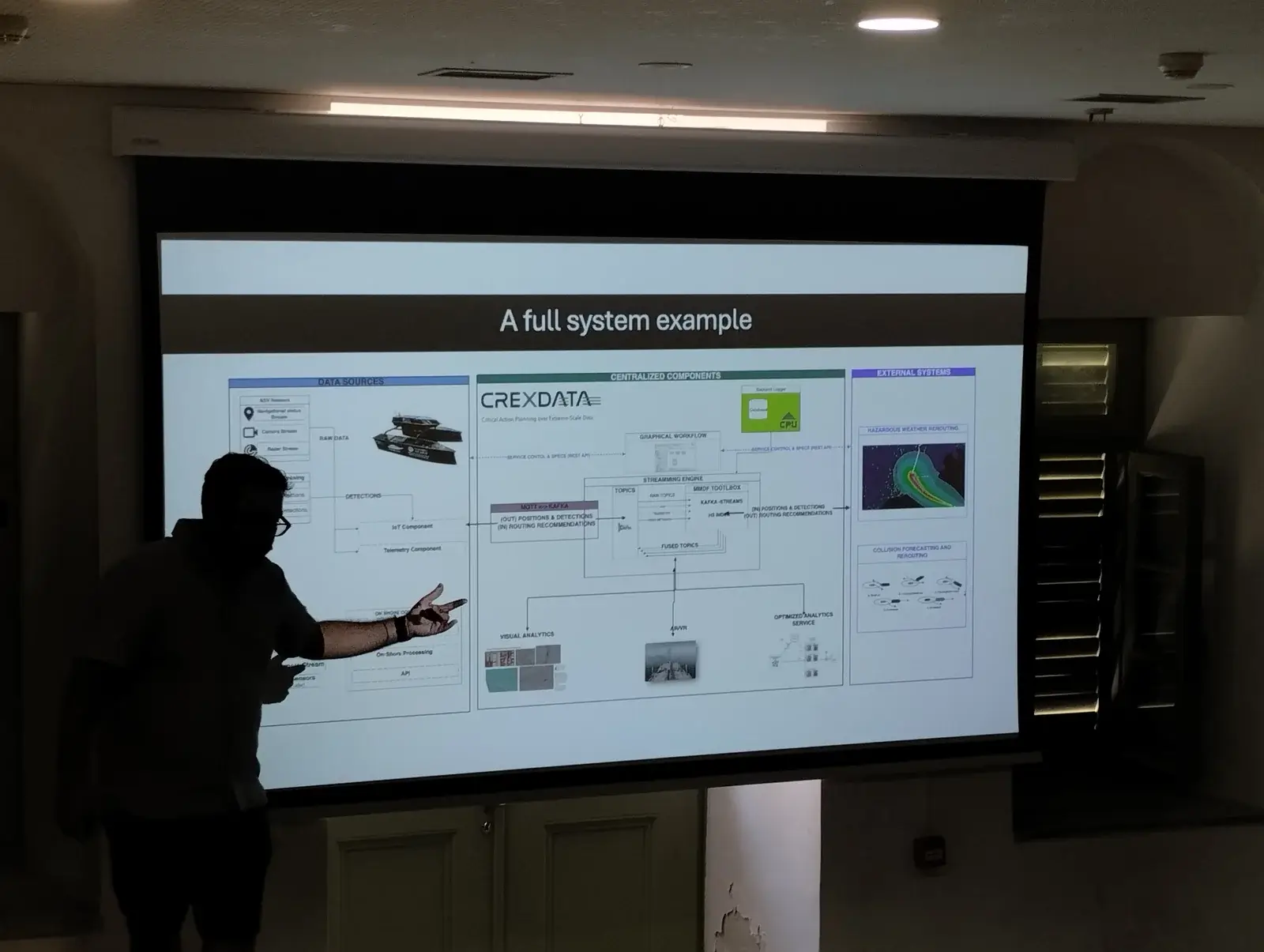
The EU-funded CREXDATA project plans to develop a platform for real-time critical situation management, including flexible action planning and agile decision-making. CREXDATA will produce the algorithmic apparatus, software architecture and tools for gathering federated predictive analytics and forecasting in the face of uncertainty. The proposed framework will facilitate proactive decision-making, by providing highly accurate and transparent short- and long-term forecasts, explainable via advanced visual analytics and accurate, real-time, augmented reality facilities. Offered as a platform-as-a-service solution, CREXDATA platform will be evaluated in three use cases: maritime crisis management, weather emergency management and health crisis management.

Multi-Sensor Inferred Trajectories
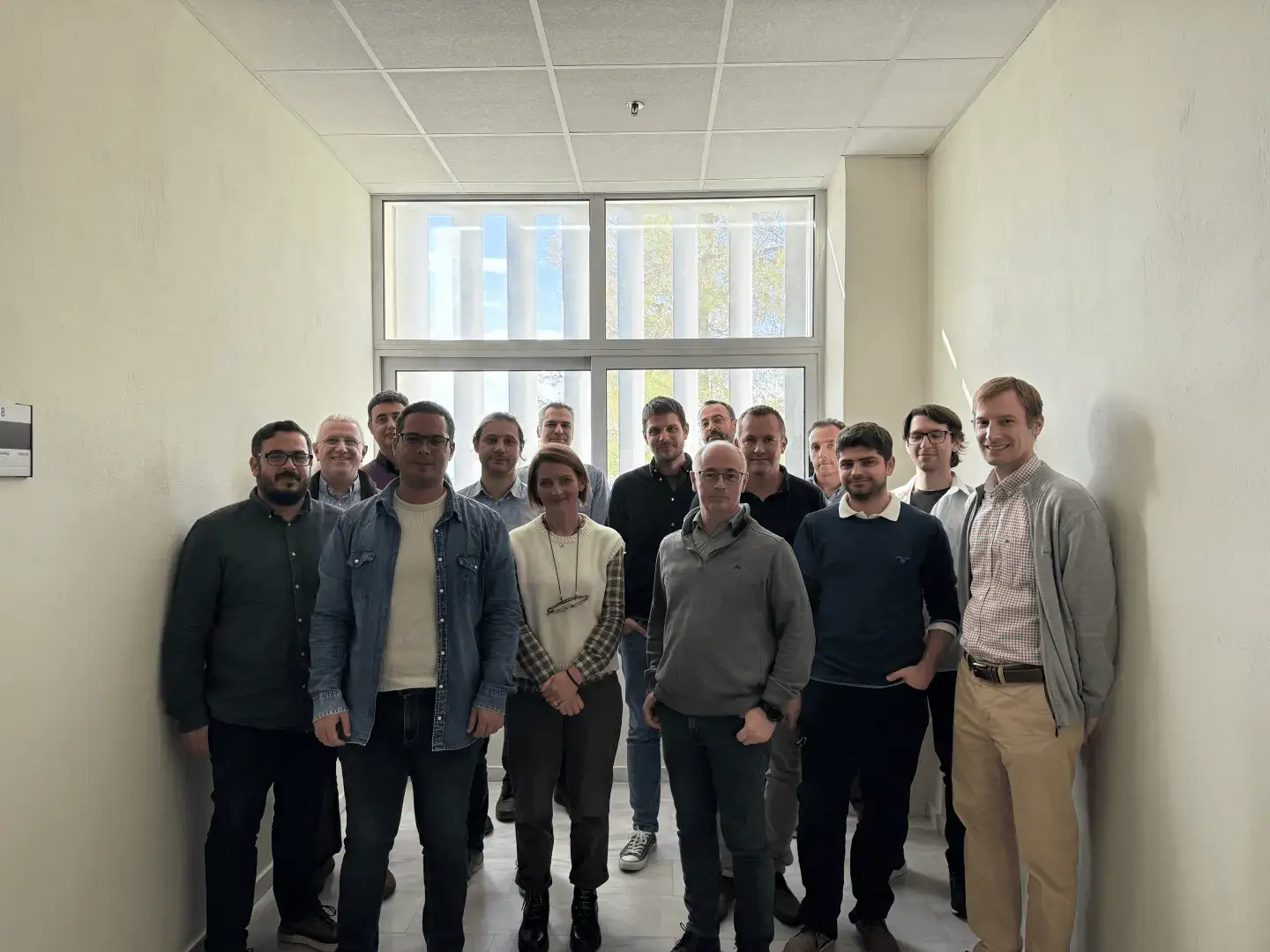
The MUSIT Project enhances trajectory data analysis by integrating multiple sensor sources, such as vessel and vehicle tracking. It uses AI and spatio-temporal methods to reconstruct incomplete data and improve monitoring accuracy. Funded by the EU’s Horizon-MSCA program, it promotes international research collaboration.


Specialised Education in Cybersecurity and Robotics
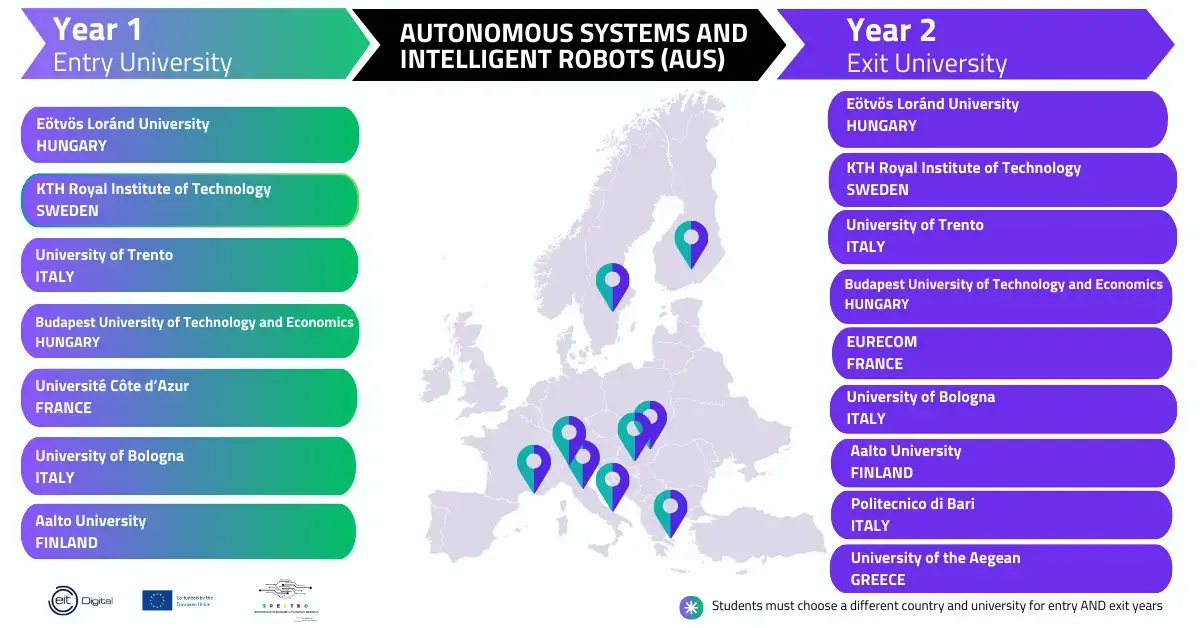
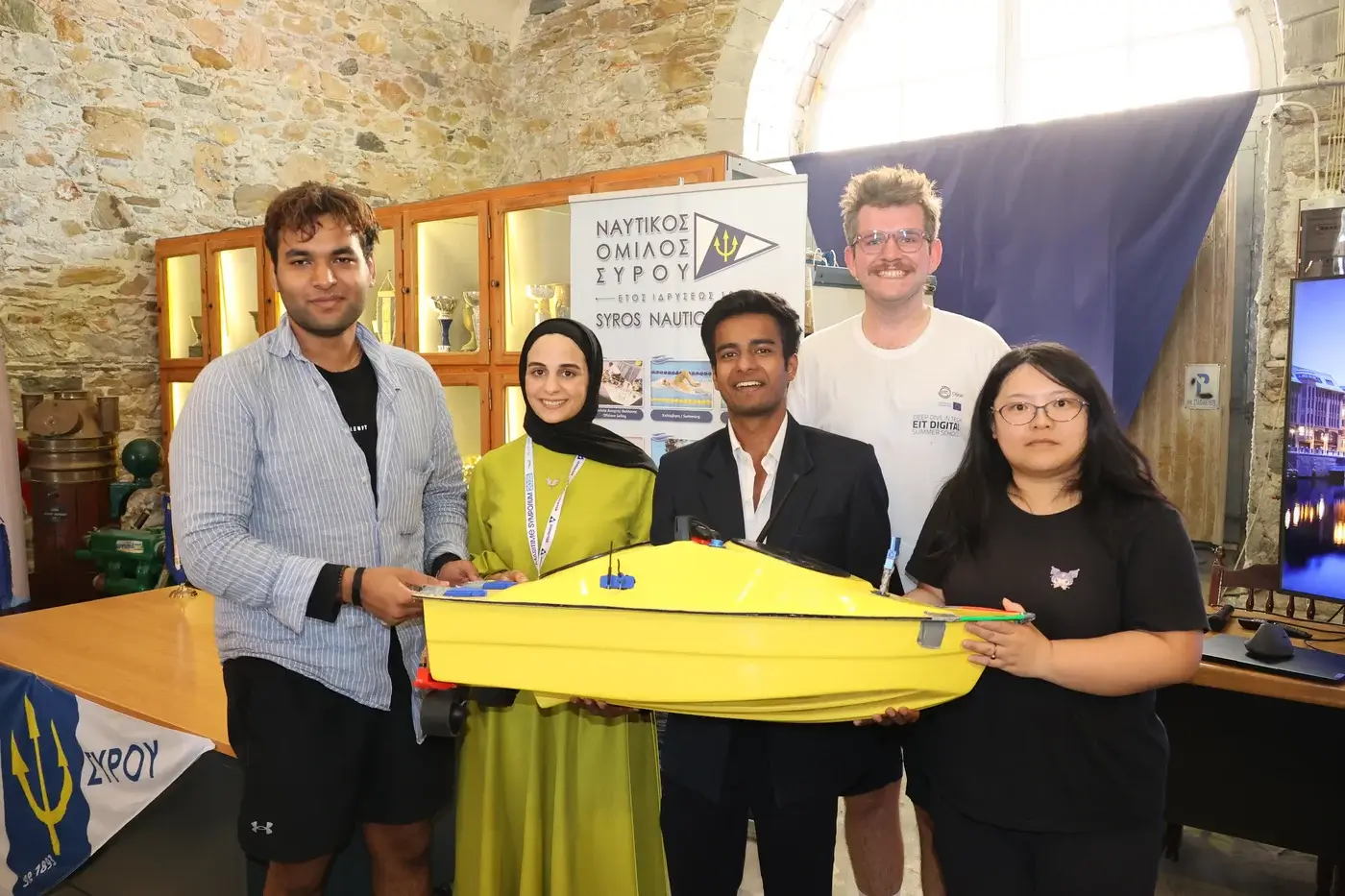
SPECTRO (SPecialised Education programmes in CybersecuriTy and RObotics) delivers two double-degree master’s programmes in cybersecurity and robotics across a consortium of 12 European universities. Funded by the EU Digital Europe Programme, this initiative addresses the growing demand for specialised expertise in critical digital technologies. The University of the Aegean participates as an Exit University in the Autonomous Systems and Intelligent Robots programme, where students complete their second year focusing on maritime robotics, autonomous navigation, and cooperative multi-vehicle systems. The curriculum combines advanced technical coursework with innovation, entrepreneurship, and industry-connected thesis projects. Scholarships are available, and the programme is coordinated by EIT Digital.
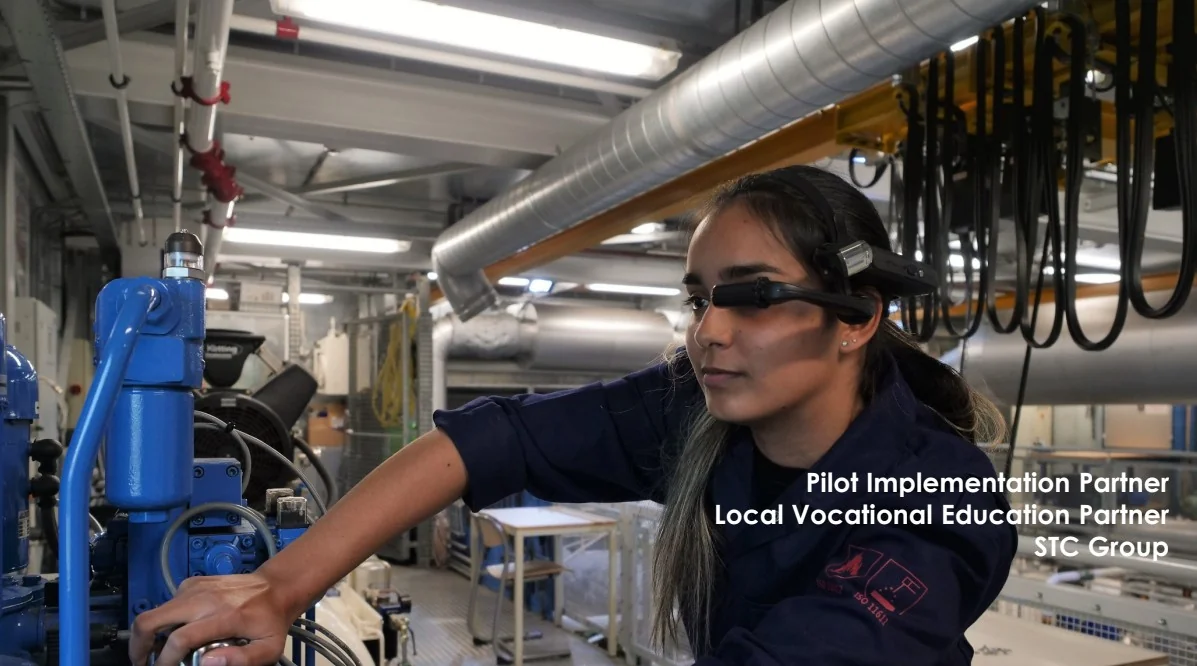
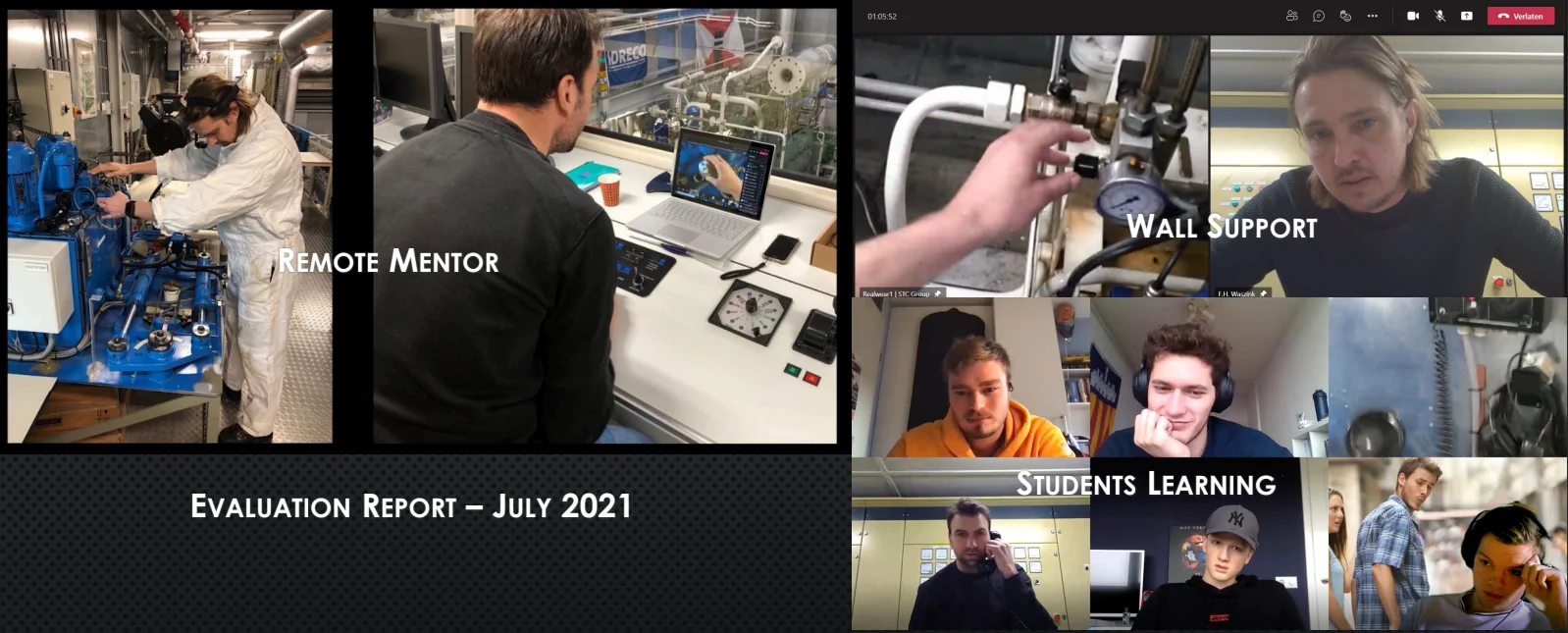

Remote Learning System Based on AR in Maritime VET Education
RELAR project aims to create a crisis-proof resilient maritime VET ecosystem by enabling remote learning and examination using Augmented Reality. This project addresses key challenges of the maritime and port education ecosystem caused by structural change due to new digital technologies.